
Child care
Clothing, Care, and a Child's Dignity
Clothing shared at Tommy's brings a biblical conviction into everyday life: meet a practical need and honor the person receiving care.
The work around the clothing
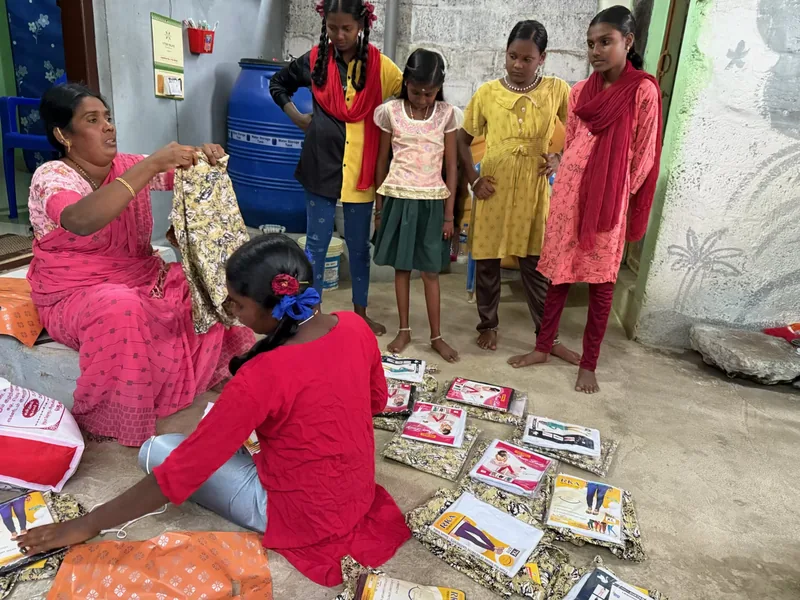
Clothing is spread out where adults and children can look through it. An adult holds up a garment while others gather nearby. At Tommy's Orphanage, practical care takes shape through fabric, packages and the attention involved in sharing something useful.
Clothing accompanies nearly every part of a child's day, from getting ready in the morning to gathering with others. Thinking carefully about an everyday need means paying attention to the person who will wear what is being offered. A child's comfort, individuality and growing independence all deserve a place in that thought.
Anyone who has helped a child choose something to wear knows that useful care can require time and attention to small details. That familiar responsibility connects our work with the everyday ways people show love to the children in their lives.
Everyday essentials within the family budget
India's Household Consumption Expenditure Survey places clothing among the practical needs that households make room for. During the survey period from August 2023 to July 2024, clothing, bedding and footwear together accounted for 6.63% of average monthly consumption spending per person in rural India.
The category combines several useful things and includes people of all ages. It helps show why these everyday essentials belong within the wider work of care. Children grow, garments wear out and seasons change. Paying attention to those recurring needs can be a meaningful way of supporting daily life with comfort and dignity.
India’s household spending surveyClothing and the welcome we give
James 2 begins with a scene that could take place at the door of a congregation. A richly dressed visitor receives a good seat, while a poorly dressed person is treated as less important. James challenges the unequal welcome. The appearance of someone's clothing must not determine the honor the church gives them.
Later in the same chapter, clothing appears again. A brother or sister lacks adequate clothing and daily food, and someone offers a peaceful farewell without supplying what the body needs. James exposes the emptiness of that response. Read together, the two scenes call believers toward both equal respect and useful help.
Biblical scholar Margaret Aymer’s reading of James draws attention to the connection between unequal treatment, love of neighbor, and mercy expressed in action. The same mercy that shapes our welcome should shape what we do for one another. Faith becomes visible through actions that respect a person and attend to a real need.
James 2Margaret Aymer on James 2Faith carried into an ordinary task
That connection gives a church which speaks about the power of the Holy Spirit something practical to carry into daily life. Spiritual conviction can deepen attentiveness to people. The hands lifted in worship can take time over a task of care, asking what is useful and how it can be offered with respect.
The Convention on the Rights of the Child names clothing, nutrition and housing within its discussion of material support and an adequate standard of living. Its concern for children's development brings everyday provision into focus. Clothing has a place within that broad responsibility, alongside the relationships and opportunities through which children grow.
James 2Children’s rights: Articles 27 and 31The giver's heart matters too
Jesus' teaching in Matthew 6 turns attention toward the heart of the person giving. He warns against providing alms in order to be admired. The Father sees the generosity that receives no applause. That perspective gives small acts of service a lasting importance, including the work that no visitor ever notices.
To give thoughtfully is to consider how help will be received. A useful gift can be offered with patience, room for a person's preferences and care for their privacy. This kind of attentiveness allows generosity to express fellowship and respect. The person's dignity remains central throughout the exchange.
Matthew 6The continuing care behind a gift
Our child care work began in 2000, and our three homes now care for 75 children. That shared life brings everyday needs that change as children grow. Clothing is one of the useful things that helps them move comfortably through daily life and take part in activities around them.
There is something quietly familiar in this work. Anyone who has folded a child's clothes, checked a size or prepared for another season knows the attention such tasks can take. They are small acts within a relationship, and that is part of their value. Faithfulness has room for details.
Christian compassion becomes credible through the attention it gives and the respect it preserves. This scene at Tommy's allows us to recognize that truth in a useful act of provision. A child's needs deserve care, and the child deserves the full measure of our honor.
James 2Matthew 6References
- Household Consumption Expenditure Survey 2023 to 2024Ministry of Statistics and Programme Implementation, Government of India, 2024.
- Convention on the Rights of the ChildUnited Nations, text reproduced by UNICEF, 1989.
- James 2Holy Bible, King James Version, 1611.
- Matthew 6Holy Bible, King James Version, 1611.
- Margaret Aymer, Commentary on James 2:1 to 17Working Preacher, Luther Seminary, 2018.
More from Tommy’s Orphanage
Child care
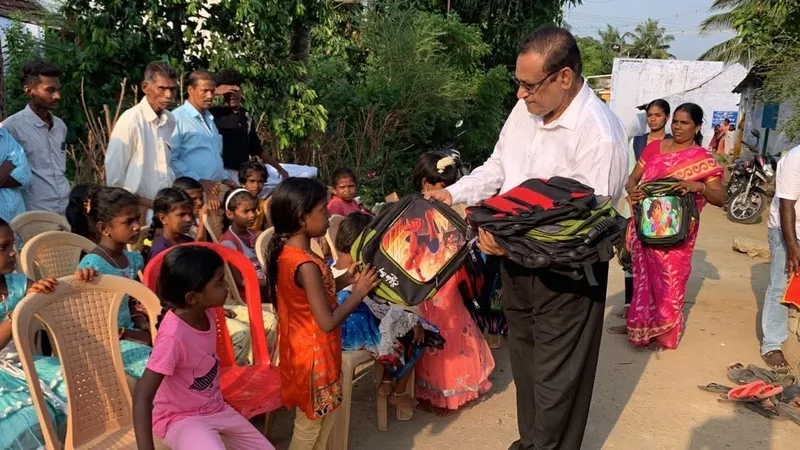
School Bags and the Everyday Cost of Learning
At Tommy's, a school bag gives a familiar shape to our care for children and the responsibility of helping them prepare for another day of learning.
Read the story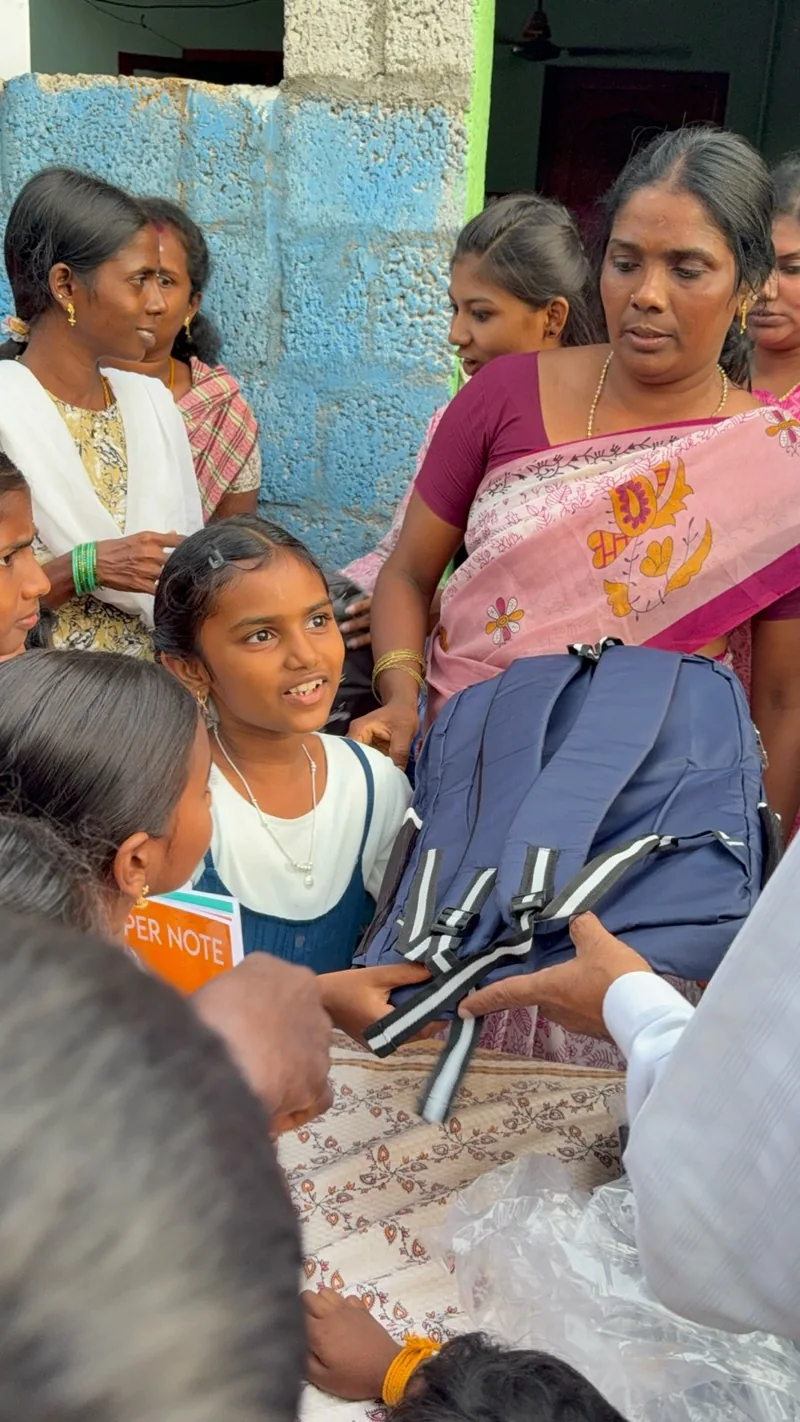
Child care
A Backpack Is Only the Beginning
A useful gift belongs within a larger calling: to notice children, listen to them and make room for the patient work of learning and growing.
Read the story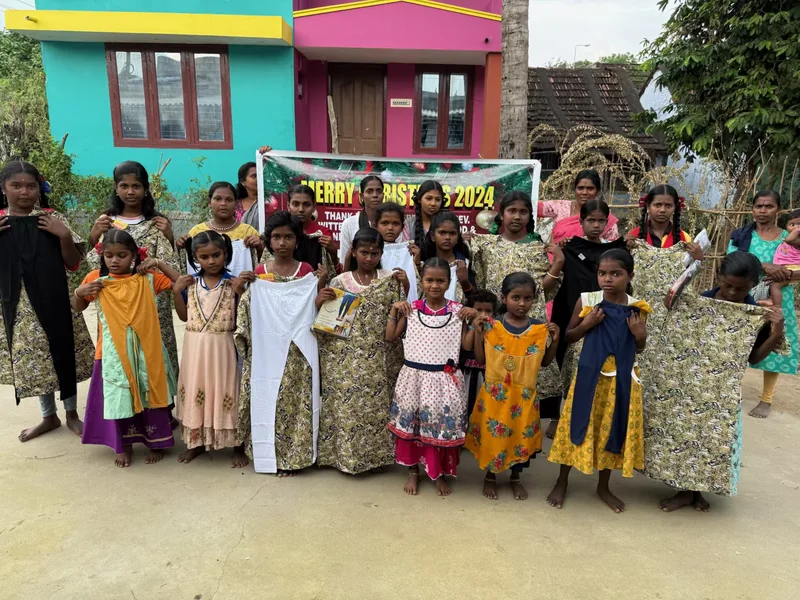
Child care
Christmas Gifts and the Care That Continues
Clothing shared at Tommy's during Christmas 2024 connects a season of celebration with the everyday responsibility of caring for children.
Read the story