
Scripture and worship
Open Bibles and a Shared Faith
Pentecostal worship makes room for heartfelt prayer and careful understanding. The words a congregation hears should help its people know Christ and care for one another.
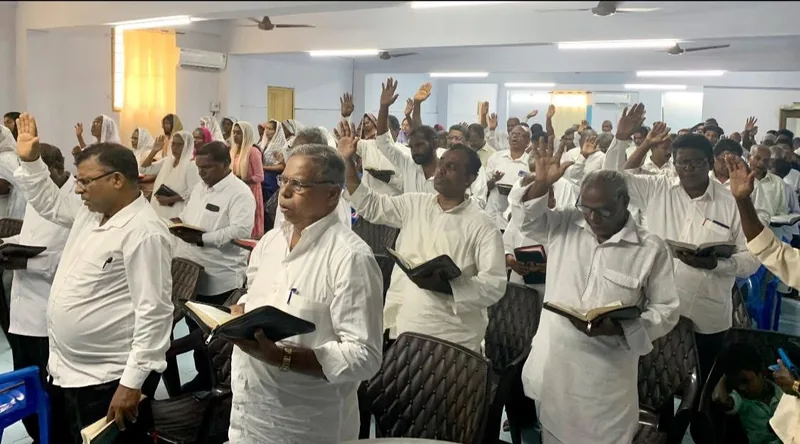
A Bible held open is an invitation to listen
Open Bibles are visible in the congregation. Hands are raised in worship. The photograph brings together two familiar expressions of Pentecostal faith: attention to Scripture and an active response to God. A page held open gives worship a point of reference beyond the feeling of a moment. The church gathers to hear God’s Word and to respond with its whole life.
A congregation needs more than familiar religious words. People need to understand the good news they are hearing, discover the setting of a passage and see how obedience takes shape in their lives. Warmth and careful reading can strengthen one another. A church can expect the Holy Spirit to work while making time to explain the meaning of Scripture patiently.
1 Corinthians 14Paul cared about the person listening
First Corinthians 14 belongs to Paul’s sustained discussion of spiritual gifts, the body of Christ and love. He is addressing worship in Corinth, where the way people use gifts affects those around them. Tsholofelo J. Kukuni’s close reading identifies the church’s edification as the direction of Paul’s argument. A person who cannot understand what is being said cannot easily share in the thanksgiving or instruction.
Paul’s instruction includes prayer with the spirit and prayer with understanding. He teaches believers to exercise spiritual gifts with love, interpretation and order so that others benefit. Pentecostal worship receives this as a call to welcome the Spirit’s gifts responsibly. The congregation’s understanding matters because the people listening matter. Thoughtful participation helps others share in the worship being offered.
His familiar word edifying means building up. Albert Hogeterp’s study of prophecy in Paul also connects intelligible speech with encouragement, consolation and the congregation’s growth. That directs attention to the effect our participation has on other believers. We can prepare carefully, explain unfamiliar expressions and leave space for people to follow. Such attention expresses respect for the Spirit’s work in the whole congregation, including the person who needs a little more time.
1 Corinthians 14Tsholofelo Kukuni on 1 Corinthians 14Albert Hogeterp on Paul and prophecyIndia’s languages remind us to communicate clearly
The 2011 Census language publication, issued in 2018, grouped reported mother tongues under 121 language categories. It distinguished 22 Scheduled languages and 99 languages outside that schedule. Its categories and reporting thresholds shape the count. This national picture gives us a sense of the linguistic variety within which Christian ministry takes place and the care involved in communicating clearly.
The census concerns ordinary language diversity, while Paul’s subject in 1 Corinthians 14 is spiritual gifts within gathered worship. Each setting gives us a reason to think carefully about the people listening. A teacher can consider whether an explanation is clear, whether it needs repeating and whether a newcomer has room to ask an honest question. Clear communication is a form of consideration that a congregation can keep learning together.
Census of India: languages1 Corinthians 14Tsholofelo Kukuni on 1 Corinthians 14Learning belongs to the whole congregation
Ephesians 4 places the growth of Christ’s body within a call to humility, patience and unity. Gifts of ministry equip believers for service. The goal includes maturity, truthful speech in love and the contribution of the whole body. Teaching is therefore a way of helping others grow into their responsibility, with Christ as the one around whom that growth takes shape.
This offers a generous vision of church life. Scripture is worth explaining to the person who has read it for decades and to the person opening it for the first time. Patient attention to an unfamiliar word or an earnest question helps everyone follow. Clear teaching honors the learner and helps a congregation develop the discernment needed for faithful participation.
Ephesians 4Timothy van Aarde on Ephesians 4Understanding gives devotion somewhere to grow
Acts 2 describes the believers continuing in the apostles’ teaching and in prayer after Pentecost. Learning and devotion appear within the same shared life. That pattern encourages a church to keep returning to Scripture together, seeking both the truth of the passage and the grace to live it. Spiritual enthusiasm benefits from roots deep enough to sustain it beyond a single gathering.
There is tenderness in that work. Someone may need to hear a promise explained carefully before it becomes a source of comfort. Another may need patient correction before a familiar verse is understood in context. Open Bibles give a congregation a place to begin. Prayerful, thoughtful attention helps the words become clearer, until worship is joined by understanding and faith finds expression in love.
Kelebogile Resane on Acts 21 Corinthians 14Ephesians 4References
More from Our churches
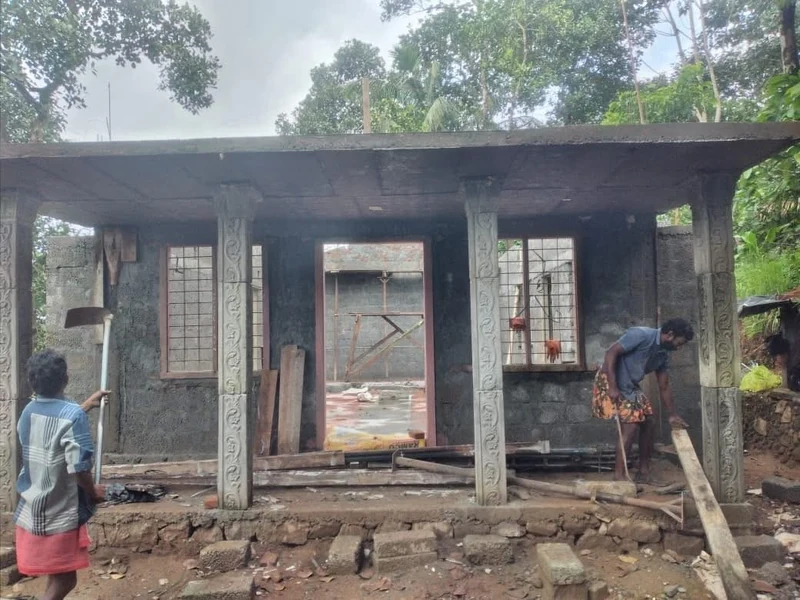
Church life
Building a Place to Belong
Concrete, timber and patient work give shape to a church building. The purpose reaches into human lives: a place to gather, hear Scripture and care for one another in the love of Christ.
Read the story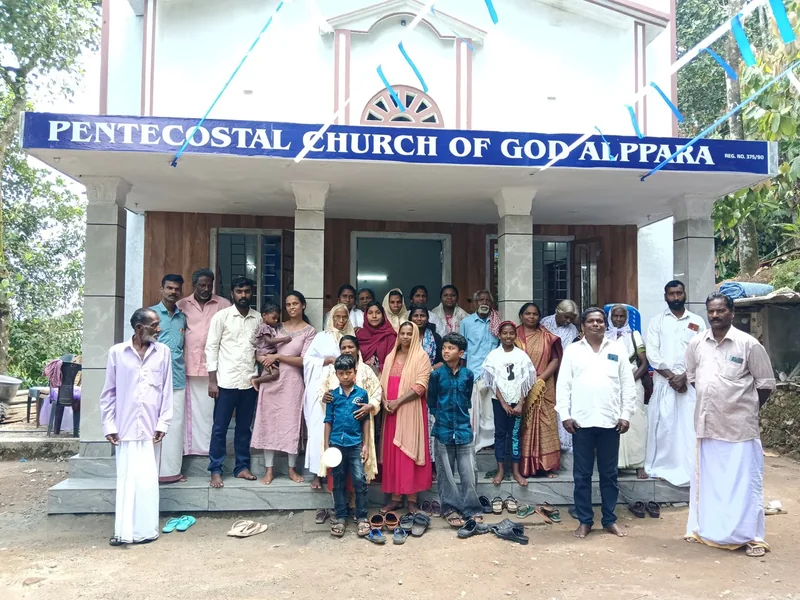
Church life
A Church Is Made of People
At PCG Alppara, gathered worship and everyday welcome belong to the same calling: a church where people learn Scripture, pray together and care for one another.
Read the story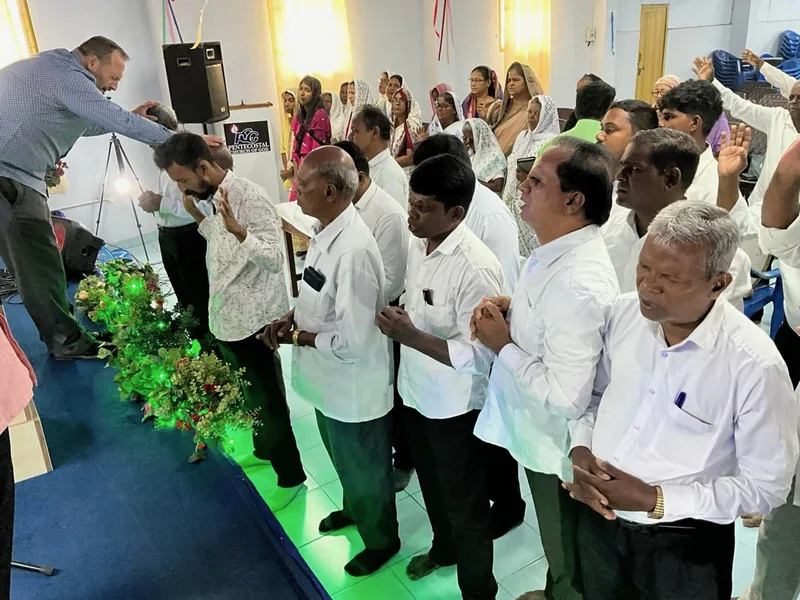
Prayer and mission
A Church That Prays Together
Shared prayer gives a congregation a way to bring its hopes before God, seek the Holy Spirit’s guidance and remember that Christian service is a responsibility carried together.
Read the story