
Biblical education
Carrying the Word Beyond Graduation
The steps taken in a graduation procession point toward a deeper calling: carrying Scripture with understanding, humility and love into the lives of others.
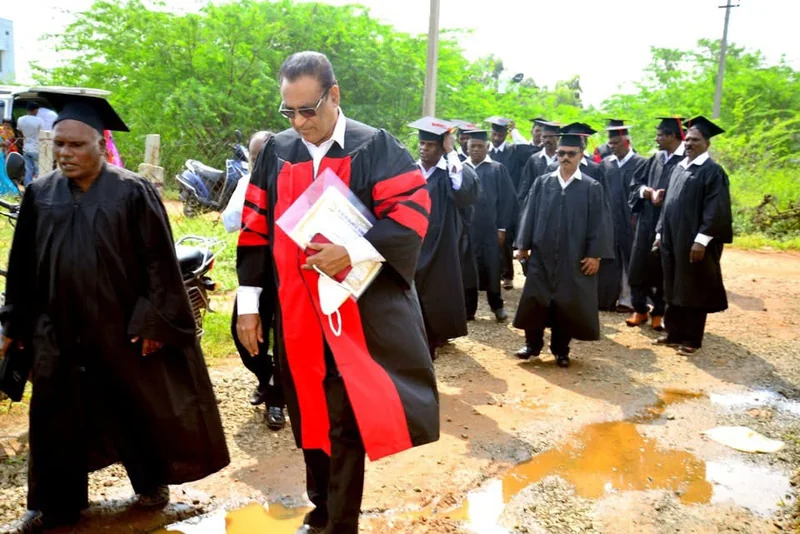
Faith that keeps walking
The graduation procession moves along an outdoor path, gowns gathered around moving feet. The scene holds both celebration and something wonderfully ordinary. People who have spent time preparing are walking together. For us, that simple movement offers a meaningful picture of Christian education: the Word we study is meant to accompany us into the places where people live.
A congregation needs someone who can explain a difficult passage patiently. A grieving family needs a presence willing to listen. A young believer needs room to ask a sincere question. These familiar responsibilities give preparation its human meaning. Our hope for those who study is that their growing understanding will become a blessing in relationships like these.
The patience inside the calling
Second Timothy 4 places the charge to preach within a solemn appeal to faithfulness. Its instruction includes correction and encouragement, and it joins both to patience and teaching. The passage asks more than readiness to speak. It calls for the steadiness to keep serving when the work requires endurance and people need time to understand.
That patience matters in the way Scripture reaches another person. A forceful voice alone cannot make a passage clear. Careful reading, honest explanation and gentleness help a listener follow its meaning. We want preparation for ministry to cultivate that combination: conviction rooted in the Word, expressed through conduct that reflects the love of Christ.
2 Timothy 4:2 on preaching with patienceUnderstanding that becomes service
James K. Mwangi and Ben J. de Klerk bring knowledge, personal formation and practical ministry together in their study of theological training. Their framework helps explain why preparing a minister involves the whole person. What someone knows, the character that person develops and the way that person serves will meet in the same conversation with a neighbor.
Our two Bible colleges serve across two states, with approximately 35 young leaders graduating each year. We treasure the educational responsibility behind that work. A lesson about forgiveness has consequences for how a disagreement is handled. Learning about pastoral care invites attentive listening. Studying the church calls us to consider how we welcome and strengthen the people beside us.
Mwangi and de Klerk on knowledge, character and serviceWords that people can receive
In 1 Corinthians 14, Paul repeatedly turns attention toward building up the congregation. Tsholofelo J. Kukuni traces this concern in his study of the chapter, including the importance of intelligible speech. Love gives spiritual gifts their direction, and understanding helps the gathered church receive what is shared. The listener matters to the person speaking.
As Pentecostals, we seek the Holy Spirit’s power and guidance for that work. Acts 1:8 connects the Spirit’s power with witness to Jesus. We pray for courageous, Christ centered witness that reaches people with care. Clear language, faithful interpretation and openness to questions are practical ways of loving the people who have come to listen.
Tsholofelo Kukuni on understanding and spiritual gifts1 Corinthians 14 on building up the churchActs 1:8 on the Spirit’s power for witnessThe history behind our colleges
Rev. Samuel K. Thomas returned to India with his family in 1991 to devote himself to gospel ministry. Churches and opportunities for biblical education grew through that continuing commitment. This family history, shared by Rev. Samuel & Juanita Thomas, forms part of the background to our work of preparing others to serve.
Paul begins Philippians by thanking God for people who have shared in the work of the gospel. The letter places Christian service within relationships that include prayer, practical support and concern for one another. Biblical education also involves a community, connecting those who teach and learn with those who help sustain the work.
Philippians 1 on thanksgiving and gospel partnershipA calling carried into daily life
The procession reminds us that preparation has a direction. We pray that those leaving a season of study will continue opening their Bibles, seeking wise counsel and depending on the Holy Spirit. Ministry brings new questions and new opportunities to learn. Humility keeps a servant teachable, and Scripture keeps the church’s attention centered on Christ.
Some of the most meaningful moments of service happen quietly: an explanation offered with patience, a visit made with kindness, a prayer shared when words are difficult. These are the kinds of encounters for which we hope to prepare people. A graduation connects the achievement of learning with that continuing purpose of serving others.
2 Timothy 4:2 on preaching with patienceReferences
- 2 Timothy 4, King James VersionKing James Version, 1611.
- An Integrated Competency Based Training Model for theological trainingJames K. Mwangi and Ben J. de Klerk; HTS Teologiese Studies/Theological Studies 67(2), 2011.
- Desire spiritual gifts that edify: A text generated persuasion of 1 Corinthians 14:1 to 40Tsholofelo J. Kukuni; Verbum et Ecclesia 46(1), a3339, 2025.
- 1 Corinthians 14, King James VersionKing James Version, 1611.
- Acts 1, King James VersionKing James Version, 1611.
- Philippians 1, King James VersionKing James Version, 1611.
More from India Messenger Bible College
Biblical education
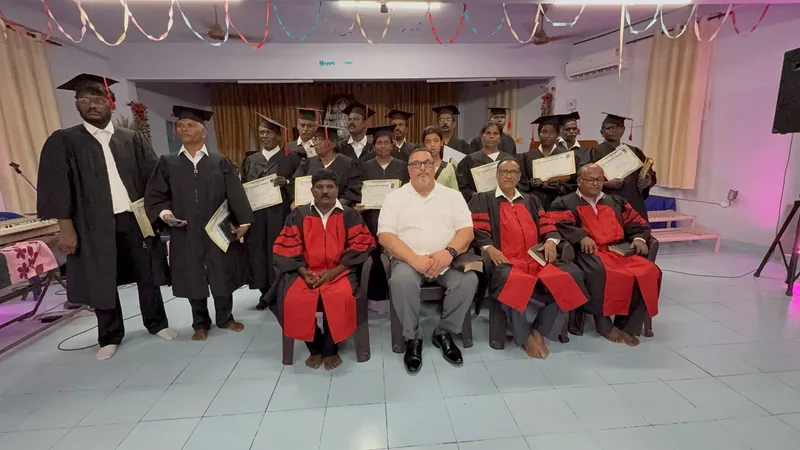
Thirty Five Graduates and the Churches Ahead
A graduation photograph records a moment. The deeper purpose of ministry education reaches into the lives of people these leaders may one day serve.
Read the story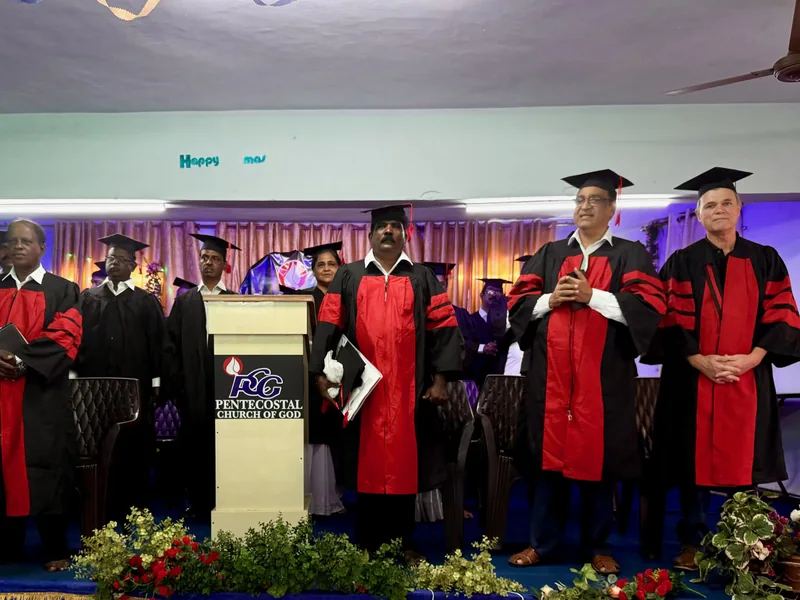
Biblical education
The Teachers Behind a New Generation
The people who prepare future ministers carry a responsibility that reaches far beyond the platform on graduation day.
Read the story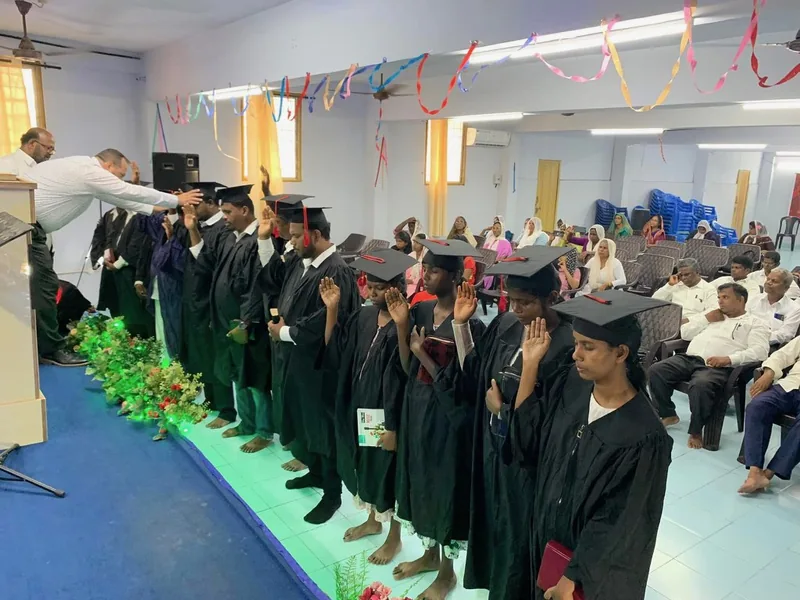
Biblical education
Why We Pray With Graduating Students
The prayers surrounding a graduation express a simple conviction: those who prepare to serve others also need the care of God and his people.
Read the story