
Biblical education
Why We Pray With Graduating Students
The prayers surrounding a graduation express a simple conviction: those who prepare to serve others also need the care of God and his people.
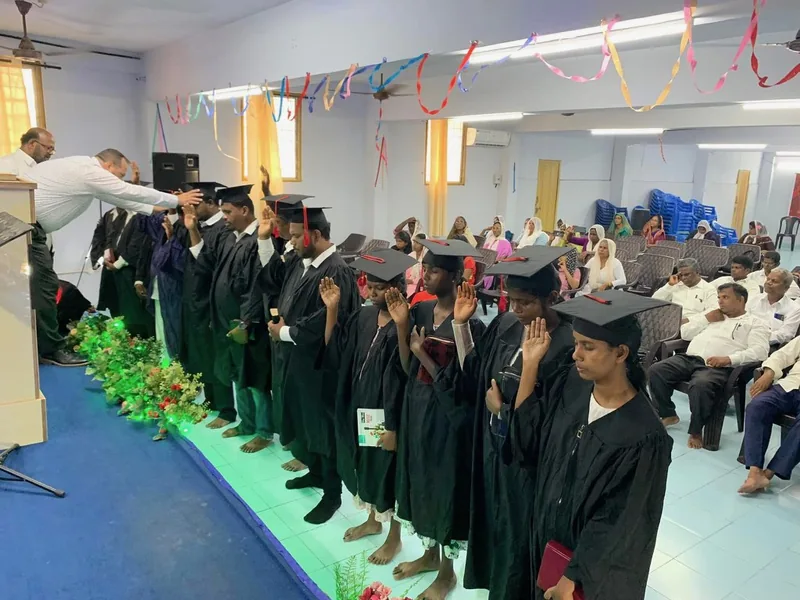
A moment of shared dependence
The students are still wearing their graduation gowns as they receive prayer. The image joins two parts of preparation that belong together: learning and dependence on God. The work of reading, thinking and being taught matters. So does the recognition that a person entrusted with caring for others will continue to need wisdom, strength and help.
For a Pentecostal church, prayer belongs naturally alongside preparation. We believe the Holy Spirit continues to equip believers for witness and service. Those entrusted with teaching will need wisdom as well as knowledge, strength as well as determination. Bringing those needs before God expresses confidence in his care and reminds us that people who serve also need support.
A sending church in Antioch
Acts 13 opens in Antioch in Syria, where prophets and teachers are worshiping the Lord and fasting. The Holy Spirit directs the setting apart of Barnabas and Saul for a particular work. The church fasts, prays, lays hands on them and sends them away. Their journey begins in the shared worship and concern of a community.
Muthuphei A. Mutavhatsindi’s study of this mission follows the Holy Spirit’s initiative and the church’s participation. Barnabas and Saul are sent by the Spirit through a worshiping community. Their calling has a wider circle around it: people listening, praying and sharing concern for the work ahead. That pattern helps us understand why supporting a servant of Christ involves more than recognizing an individual achievement.
King James BibleMuthuphei Mutavhatsindi on Acts 13Strength begins with grace
In 2 Timothy 2, Timothy is called to be strong in the grace found in Christ Jesus. The instruction to pass on the teaching to faithful people follows that invitation to dependence. Preparation for ministry includes effort, yet it begins with receiving. The person who will teach others must remain a learner before God.
The same chapter uses the images of a soldier, an athlete and a farmer. These pictures give patience and perseverance a place in Christian service. A ministry may grow through years of ordinary faithfulness. Prayer makes room to acknowledge the weight of that calling, entrust its demands to God and ask for the grace to meet each new responsibility as it comes.
Mwangi and de Klerk on theological educationPrayer that remembers other people
The first believers in Jerusalem devoted themselves to the apostles’ teaching, fellowship, the breaking of bread and prayers. Acts 2 presents these as the shared practices of a living community. Prayer belonged beside teaching and practical care. The people who worshipped together were also learning to pay attention to one another’s needs.
That connection matters when we pray with graduates. We can remember the people a future minister may eventually serve: those seeking understanding, those carrying grief and those beginning to explore faith. Their needs make faithful preparation worthwhile. Prayer turns our attention toward them as people deserving patient care, even while their names and circumstances remain unknown to us.
Kelebogile Resane on Acts 2With the spirit and understanding
Paul’s discussion of spiritual gifts in 1 Corinthians 14 includes prayer with the spirit and with understanding. Throughout the chapter, his concern is that the gathered church should be built up. Love directs the use of gifts toward other people. Spiritual participation and careful concern for what others understand belong within the same Christian responsibility.
For someone preparing to teach, that is a valuable discipline. Words should help people understand, rather than leave them impressed and uncertain. Prayer for a future minister can include the ability to communicate clearly, to listen without haste and to welcome correction. These are ordinary requests with serious consequences for the people who will receive that person’s care.
Tsholofelo Kukuni on 1 Corinthians 14The care that continues
Each year, approximately 35 young leaders graduate from our two Bible colleges in two states. Preparing them is a continuing responsibility, as is the care that surrounds their service. A public celebration may mark a transition, while wise counsel, fellowship and prayer remain gifts that leaders need throughout their lives. We depend on the same grace as the people we serve.
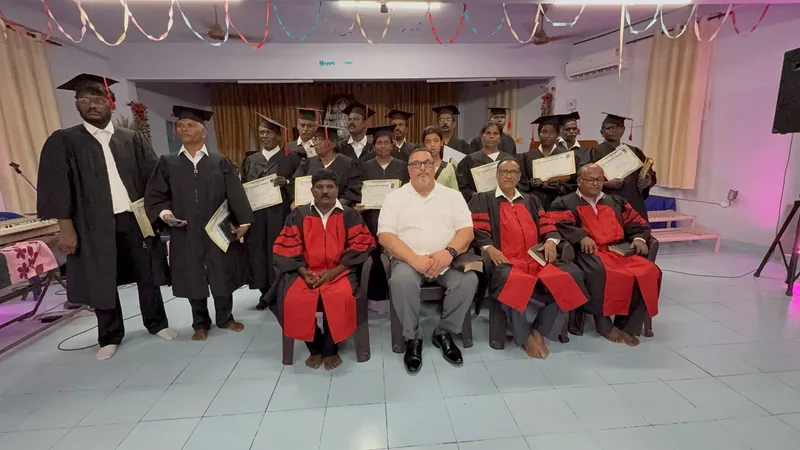
A graduation photograph holds a moment when that shared care becomes visible. It invites us to think beyond achievement alone and recognize the life of service being prepared for. Our hope is that students will carry biblical truth with humility and rely on the Holy Spirit with confidence. The prayer is for faithful people who will, in turn, care faithfully for others.
References
- Acts 13, King James VersionKing James Version, 1611.
- The preliminary urban missionary outreach of the apostle Paul as referred to in Acts 13-14Muthuphei A. Mutavhatsindi; Verbum et Ecclesia 38(1), a1650, 2017.
- Pentecostal missional ecclesiology based on Acts 2:42-47 contributes towards sustainable development in communitiesKelebogile Resane; Missionalia 52(1), 2024.
- Desire spiritual gifts that edify: A text-generated persuasion of 1 Corinthians 14:1-40Tsholofelo J. Kukuni; Verbum et Ecclesia 46(1), a3339, 2025.
- An Integrated Competency-Based Training Model for theological trainingJames K. Mwangi and Ben J. de Klerk; HTS Teologiese Studies/Theological Studies 67(2), 2011.
More from India Messenger Bible College
Biblical education
Thirty Five Graduates and the Churches Ahead
A graduation photograph records a moment. The deeper purpose of ministry education reaches into the lives of people these leaders may one day serve.
Read the story
Biblical education
The Teachers Behind a New Generation
The people who prepare future ministers carry a responsibility that reaches far beyond the platform on graduation day.
Read the story
Biblical education
What a Certificate Can Begin
A certificate marks an achievement. Its deeper promise is the thoughtful, patient service that learning can make possible.
Read the story